
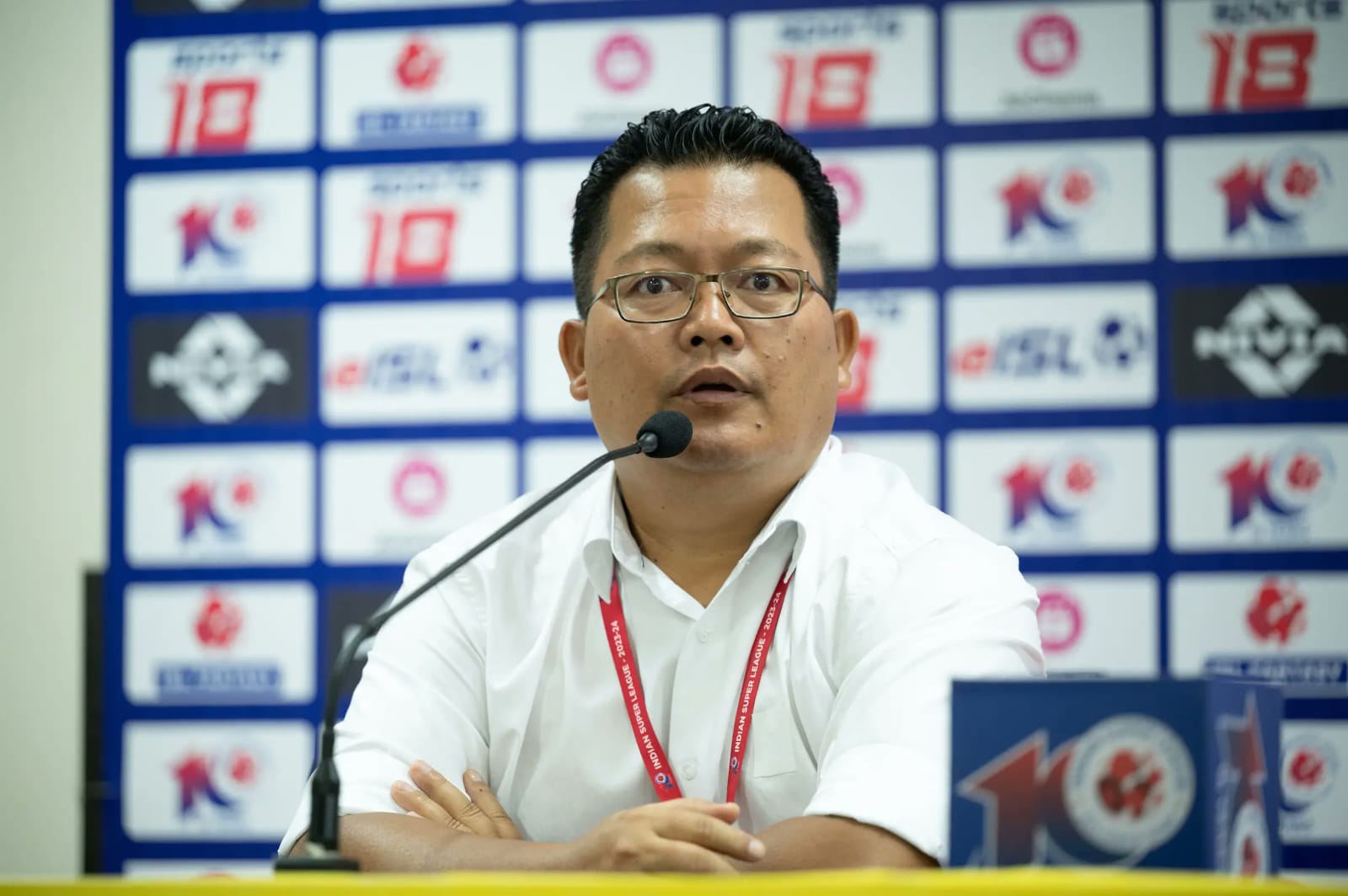

At a time when on-field results of the senior men’s team have continued to invite scrutiny, East Bengal FC have been laying the foundations of a far more significant and lasting transformation—one that begins not with marquee signings, but with structure, youth, and long-term vision. The appointment of Thangboi Singto as Head of Football Operations in 2025 may well prove to be one of the most consequential decisions in the club’s modern history.
A Reset After Years of Youth-Level Stagnation
East Bengal’s underage sides—U18, U16, and U14—had endured several underwhelming seasons in national youth leagues, reflecting deeper structural and recruitment-related issues. Recognising that short-term fixes would not arrest the decline, the club entrusted Singto with a sweeping mandate: to redesign the footballing ecosystem from the grassroots upward.
Singto arrived with a reputation forged in India’s most productive development environments. During his time at Shillong Lajong FC, he oversaw the rise of multiple players who progressed from academy prospects to full internationals and ISL regulars. His later stints with Odisha FC and as Director of Football at Hyderabad FC further strengthened his credentials as a builder of sustainable football models rather than a seeker of instant results.

Immediate Impact at Youth Level
Within months of his arrival, East Bengal’s youth landscape began to change visibly. Recruitment was broadened geographically, scouting networks were strengthened, and squads across age groups were rebuilt with balance and depth.
The early signs are most evident in the U18 team. Players such as Pritam Gain, Sahil Khan Phundreimayum, Gingoungam Hnamte and Sasang Kipgen have impressed in the ongoing youth league, with several talents also breaking into national age-group reckoning. The performances suggest not just individual quality, but a clearer playing identity—something long absent at the junior levels.
RFDL (U21): A Squad Built for Transition
The revamp has been equally thorough at the U21 level competing in the Reliance Foundation Development League (RFDL). A mix of carefully identified recruits and retained talents has created a squad designed to bridge the gap between youth football and the senior team.
New additions include Aditya Gehlot, Mask Khuman, Robert Thokchom, Sarangthem Sachindeva Singh, Wangkheirakpam Mangal Meitei, Phuhang Subba and Thupden Wangchuk Sherpa, complemented by existing prospects such as Guite Peka, Shyamal Besra, Ananthu NS, Debojit Roy, Prajjal Saha and Joseph Justin. The emphasis is clear: prepare players who can realistically step into the senior squad pipeline rather than stagnate at development level.

Infrastructure: Building the Backbone
Beyond personnel, East Bengal’s transformation is increasingly visible in bricks and mortar. The club is in the process of finalising its own residential academy on a five-acre plot near Shapoorji in New Town—an initiative that could fundamentally alter its ability to nurture talent in-house.
Parallelly, the club ground has undergone a major overhaul. A completely revamped Bermuda grass turf with advanced drainage systems now places it among the best playing surfaces in the country. An artificial turf training pitch behind the Rampart End goalpost adds training flexibility, while a state-of-the-art corporate office—under construction beside the new VVIP box—signals a push towards professional, centralised club operations.
Stability at the Top
Crucially, these footballing reforms are backed by administrative stability. A restructured executive committee, dominated by corporate and business professionals, now oversees the club. At its helm is President Murari Lal Lohia, owner of Jupiter Wagons, a company valued at approximately ₹14,000 crore. This shift has helped East Bengal emerge from years of investor uncertainty and governance challenges that once threatened its very continuity.
Looking Beyond Short-Term Results
While recent seasons have tested the patience of supporters due to inconsistent senior-team performances in domestic competitions, the broader trajectory tells a more hopeful story. Over the last two to three years, East Bengal have steadily moved from instability towards self-reliance, with youth development and infrastructure now central to their identity.
Thangboi Singto’s work may not yet be reflected in silverware, but structurally, East Bengal appear closer than ever to reclaiming their stature—not through quick fixes, but through a system built to last. If sustained, this quiet revolution could define the club’s next decade far more profoundly than any single transfer window.
Follow Fieldvision on Youtube ,Twitter , Facebook Instagram and Whatsapp Channel for more updates.



Leave a Reply