
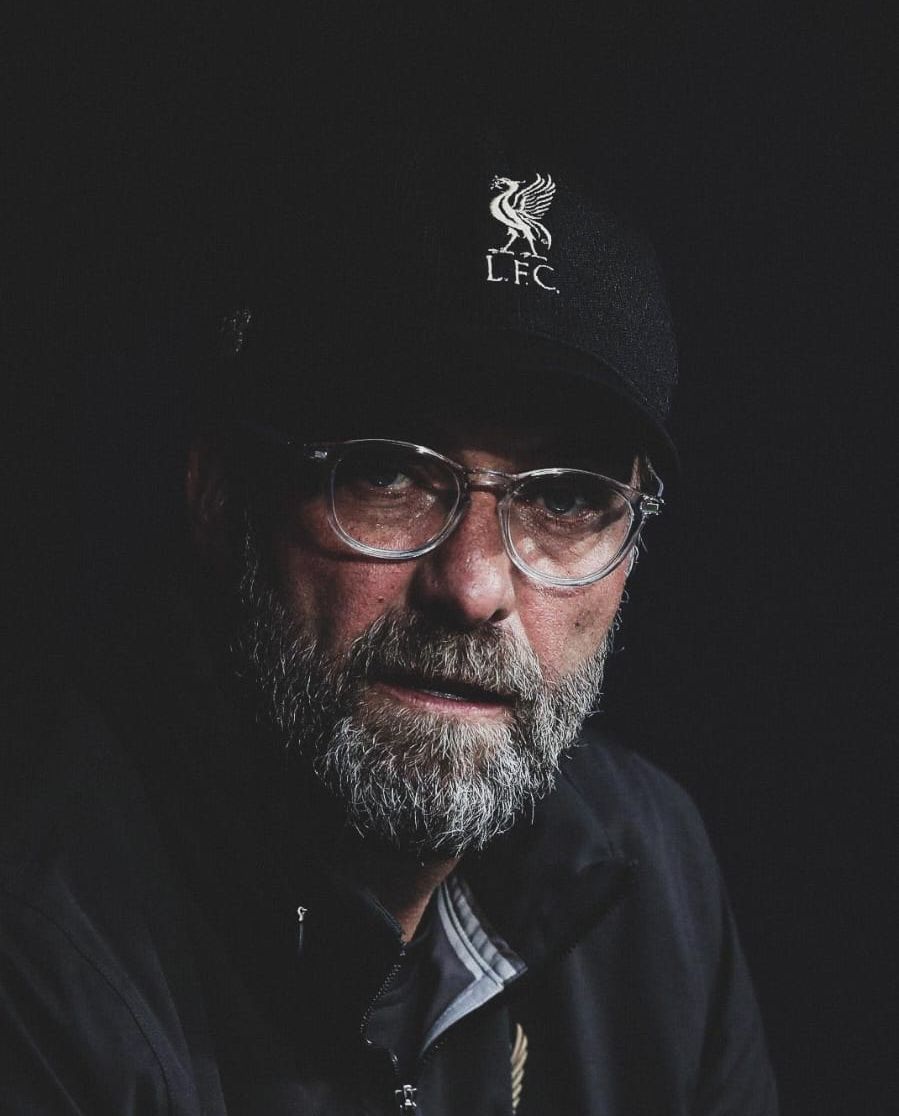

A tribute to Jurgen Klopp by Abhishek Purkayastha
Liverpool FC was chosen quite by accident, without those pleasant glittering early years that accompany the support of a bigger club. There was nothing particularly glamorous about growing up as a fan of Liverpool FC. No regular silverware, no glory weekends. Liverpool FC was no Manchester United, pulling Premier League after Premier League out of the atmospheric ether. Liverpool FC was no Barcelona, serving up artistry while beating the entire continent on a regular basis. No, Liverpool was the club with whom I fell in love because it was an underdog: who, like me, tried hard but often came up short. Liverpool was the victor of the dog-eared story, Liverpool was me.
The Miracle of Istanbul
One of the ironies of it was that, despite all this, the evening I really got hooked came on the night of 25 May 2005, my 17th birthday, and the amazing comeback victory in the Champions League against AC Milan: The Miracle of Istanbul, as the night was later dubbed. It felt like a dream, I screamed, I cried, I felt alive. But, in hindsight, these were the exceptions, not the rule. We were not the team that topped the table, we were built not for winning but to fight, to struggle, to lose: yet I stayed. And I felt that Liverpool and I were on this path together.
Liverpool FC was my one thing, the one unwavering constant through all those changing years. The one thing that stayed with me, even when all around everything was in a flux. But it broke my heart, it broke my heart, it broke my heart. And it broke my heart some more. Each time Liverpool fell just the one place short, each time the season ended with another narrow defeat, each time a final was just out of reach. So much of it felt personal, it wasn’t just that the club couldn’t captain it’s way over the line, it was us. And yet I clung on, because this is what it felt like to be a Liverpool fan. Loving the club had little to do with glory, it had everything to do with the feeling that one day, just when it seems like it’s all over, we will finally have what is rightfully ours
Liverpool fanhood before 2015 was a never-ending state of being on the precipice of greatness, only to fall short time and again. It is hard to forget the pangs of some early traumas: the memories remain fresh. There was the 2008 Premier League finish, when we lost out to Manchester United by a point. There was the fateful Steven Gerrard slip against Chelsea in 2014: a date that will forever play in my mind, doomed to replay in my brain like a broken record. I cried, and I cried, I think the reason I cried was because I felt like my heart was literally falling apart with every step.
The era of Heavy Metal Football

Then 2015 came, and everything was different. I never really realised just how much this foreign man with his funny German accent would affect me, not only as a football fan, but as a human being. I remember his first press conference well; he talked about converting doubters into believers. It sounded like a nice thing to say, but having been broken more times than I care to admit, there was still, deep down, a part of me that couldn’t truly believe it. How could I? Liverpool had been so close to the highest of highs but had dished out the lowest of lows. Then, slowly, Klopp began to do what he said he would. He converted his doubters into believers. This was why Klopp’s football was life. His ‘heavy metal football’, it was fast, direct, uncompromising, brutal and unrelenting. A treat for the eyes it was, more than a plan of play, it was a philosophy. It didn’t just mesmerize me, it taught me how to live. It taught me how to go out and liberate myself from fear, from tentativeness, from being cautious to a fault, from holding back for the fear of failing, throwing myself into the fray, giving it there and acting as if you trust yourself to win, come what may. Watching Liverpool play under Klopp was a joy, it was as if, through the team, Klopp was teaching me how to live: to be fearless, to be bold, to give your heart to something even if the world told you it isn’t enough.
In pulling us out of that rut, Klopp pulled me out from somewhere dark I didn’t know I even was. When Klopp became the manager in the autumn of 2015, I was battling severe depression owing to my personal life, I was jobless, penniless and loveless. I was a confused man in my late 20s, drifting through life and watching Liverpool drift when it mattered. I had lost perspective, felt as lost as my life was showing itself to be, as overwhelmed by expectation as the club had been judged for decades. Then I saw what Klopp was building. I saw how he was lacing players with belief who had previously been written off. How he was bloodying their hearts, and engaging them as selves, not mere players: I had come to believe they had forgotten how to do this kind of thing: forget we were losing and remember how to fight. His words, his energy, his touchline antics, were like a switch fizzing down beneath my feet.
For the first time in long time, I felt an easing of something inside. Every match became a kind of victory, even when we lost. With every setback, Klopp was putting Liverpool back together again: but he was also putting me back together, too. Every time he stormed on to the touchline, he became my therapist. The shouting, the hugs, the agonising, the celebrations; it was as if he was telling me: ‘No matter how many times you have been knocked down, you can pick yourself up.’

And then they did, redemption arrived at last. In 2019, we conquered Europe, Tottenham falling to us in the Champions League final. A year later, after 30 long years, we won the Premier League. I cried when we lifted that trophy: not just because we had one, but because, after all the pain, all the waiting, all the years of believing when there wasn’t any reason to, it had finally happened. Klopp had finally delivered what he had promised.
But it was never just about the silverware. Liverpool’s rise under Klopp taught me that there’s nothing wrong with being the underdog. It’s fine to fall over, as long as you can pick yourself back up. Klopp showed me that it was not about winning but about how you fought when losing. Because of him, his football and his philosophy, and because of the way he just is, I now have a sort of blueprint to live my life.
Coping with life after Klopp
And then, just as it seemed that the spell would never be lifted, Klopp left. It felt like he had pulled the rug from underneath me. It wasn’t just about losing the manager, it was about losing a part of me, a part of my heart that had been so deeply, personally, almost synthetically tied to this man’s life force, his optimism, his belief in the impossible, his acceptance of the unacceptable, the seemingly crazy, the fantastically improbable. It felt like the kind of break-up that you never saw coming, even though deep down you always knew was an ever-present possibility.
It was as if there hadn’t been enough light in the world: not since Klopp had gone. Football was only ever a vehicle, without those scrawny shoulders, without the constant punch of his fists, without knowing exactly what he was feeling at any given second, when Liverpool played heavy metal football, this adrenaline, this electric pulse, it was all gone for good. The fire is still there, but it will never be the same, it can never be the same. It will never be the same because a man like Klopp comes along only once, touches us in a way that transforms our relationship with life, he rewires it, alters the way we affect our own fate. In him, I learnt to believe again.
Looking back at those memories Klopp left us, maybe it was not only hell and heaven, it was also football. Yes, of course, we won English football, of course we also won Europe. But Klopp also won our hearts. He made us believe in something bigger, in something more than football, something more than us. He gave us hope when we had nothing left. And for that, I am eternally thankful.
And now, in the grip of this heartbreak, I do just one thing: re-live the memories. I smile because it happened. I weep because it is over. Klopp came, he saw, he conquered: for Liverpool FC, for me. He was the reason we dared to believe. He was more than a manager. He was a symbol of hope, of defiance, of belief. And he will continue to be but a memory, living on in those of us who believed when there was nothing to believe in.
Because that’s what Klopp taught me: You will never walk alone!!
(All images used in this article are sourced from Social Media)
Leave a Reply