
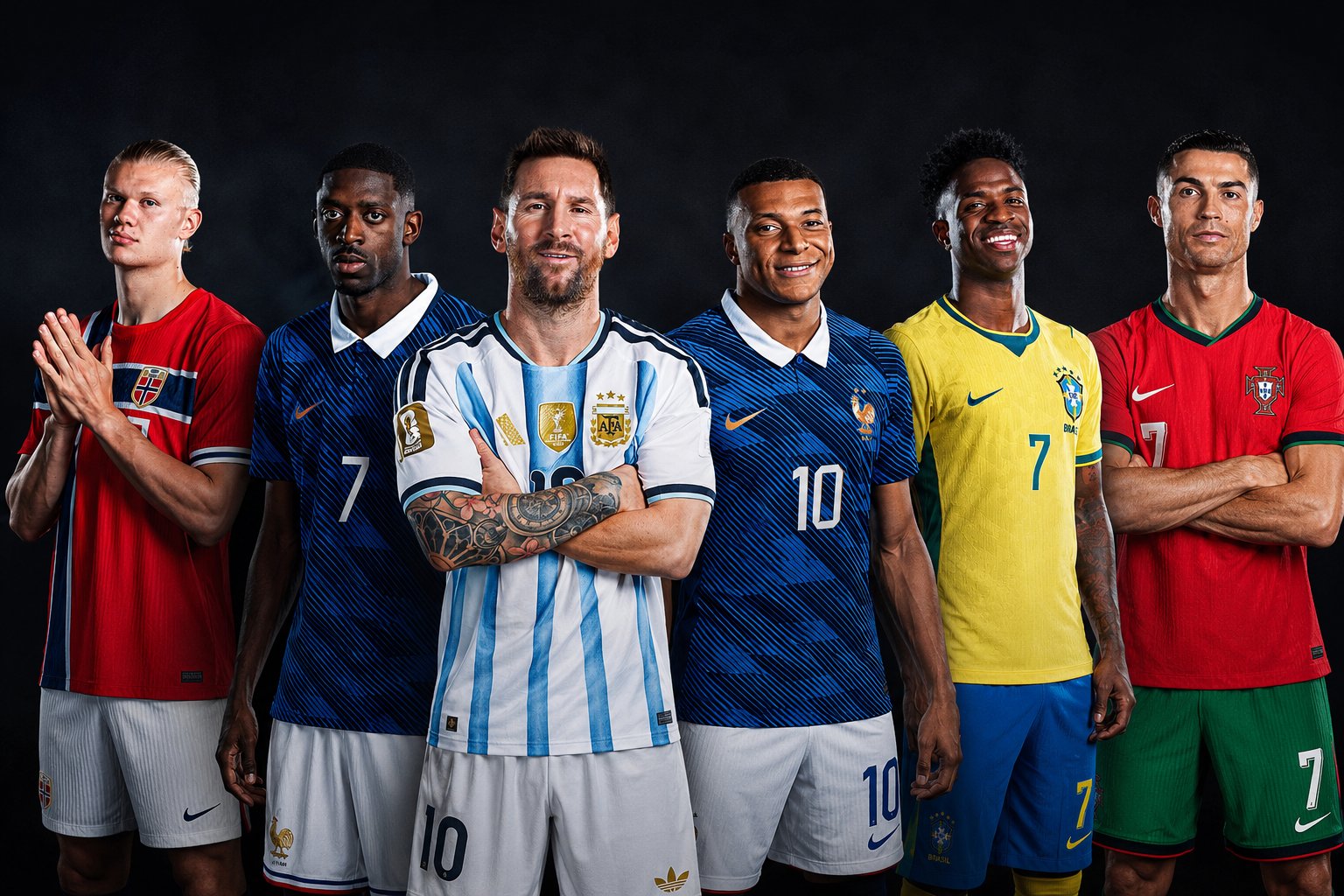
When FIFA announced the expansion to 48 teams, many feared the quality would drop, the group stage would become predictable, and the tournament would lose its magic. Instead, the exact opposite has happened. The biggest talking point has not been the giants doing what they always do, but how the smaller nations have completely changed the narrative.
Historic first wins, fairytale campaigns led by DR Congo and Cape Verde, African teams continuing to rewrite expectations, and established footballing powers being tested throughout the group phase have made the FIFA World Cup 2026 one of the most unpredictable and captivating tournaments in recent memory.

Across 72 group stage matches, this World Cup has already broken the previous tournament’s total goal record before the knockouts even began, highlighting just how attacking and open this edition has been. The expanded format has not diluted the tournament. It has multiplied the stories.
1. Has the expanded format been the biggest winner?
The biggest concern before the tournament was whether 48 teams would reduce competitiveness. Instead, it has done the opposite. With eight third-placed teams qualifying alongside the top two from each group, almost every final group match carried genuine qualification stakes. Nations that would traditionally have been eliminated after two games remained alive until the final whistle of matchday three, making almost every group meaningful.
Rather than creating dead rubbers, FIFA’s new format rewarded consistency while allowing emerging football nations to dream. The result was fewer teams playing without pressure and significantly more dramatic qualification battles. The Round of 32 now feels earned rather than gifted because so many teams had to fight until the final day.
That said, the format has also sparked significant debate. Critics argue that allowing third-placed teams to progress has reduced the urgency of the group stage, with some teams able to qualify despite inconsistent performances, ultimately taking away some of the traditional do-or-die essence that made the World Cup group phase so unforgiving.
Whether this format strengthens or weakens the tournament remains a divisive discussion, but it has undeniably made the competition more inclusive and unpredictable.
2. Goals have arrived at a historic rate
If there has been one defining characteristic of this tournament, it has been attacking football. This edition of the 2026 World Cup surpassed the entire goal tally of Qatar 2022 before even completing the group stage. The previous record of 172 goals was broken when the tournament reached 173, with plenty of matches remaining before the Round of 16.
Higher pressing systems, quicker transitions and more adventurous football from underdogs have contributed to the numbers. Smaller teams have not simply defended deep. Many have attacked without fear, creating open games that have entertained throughout the tournament. This has arguably been one of the most entertaining World Cup group stages statistically in history.
3. Lionel Messi is once again defying football logic
Every World Cup somehow ends with people asking how he keeps doing it. At 39 years old, Messi has once again been Argentina’s heartbeat, leading the Golden Boot race with six goals after the group stage while continuing to dictate games through intelligence rather than pace.
The numbers only strengthen his case. Messi has now scored in seven consecutive FIFA World Cup matches, becoming the first player in the tournament’s history to achieve that feat. He has also become the all time leading goalscorer in FIFA World Cup history, adding another remarkable milestone to an already unmatched career. More impressively, he is not simply chasing records; he is competing with and outperforming the very players expected to succeed him.

Read More: Immortality in Dallas: Messi Stunner Breaks World Cup Record as Argentina Outlasts Austria
Instead of slowing Argentina down, age has made him even more selective with his movements, allowing him to influence games exactly when required. For a player already regarded by many as the greatest ever, another deep World Cup run would only strengthen an already unmatched legacy.
4. Smaller nations have completely changed the narrative
The greatest success story has not been one team. It has been football’s changing competitive landscape. DR Congo’s disciplined display to hold Spain, Cape Verde’s fearless run despite a population of barely six lakh, and Ghana once again proving they can compete with football’s elite have highlighted how the gap between traditional powerhouses and emerging nations continues to shrink.
Several countries recorded historic first World Cup wins, goals and knockout qualifications, arriving not just to participate but with genuine belief. Players representing smaller countries are now regularly competing in Europe’s top leagues, bringing elite tactical understanding and experience back to their national teams.

The result has been fearless football rather than defensive survival. Teams have attacked bigger opponents instead of simply sitting deep, producing some of the tournament’s most entertaining matches. This World Cup has shown that international football is becoming more balanced than ever before.
5. Squad depth and tactical flexibility will decide the champion
As the tournament enters the knockout rounds, physical condition becomes just as important as technical ability. With more matches than ever before, managers cannot rely solely on their strongest starting eleven. Teams with genuine quality across the entire squad will hold a significant advantage as fatigue begins to influence performances.
Another defining talking point this edition has been every team’s different tactical adaptability. Successful teams have shown the ability to switch formations during matches, alter pressing intensity depending on opponents and make game-changing substitutions. Managers who can react quickly rather than rigidly sticking to one system have consistently found success throughout the group stage.

Knockout football is rarely won by playing perfectly for ninety minutes. It is often won by making the correct tactical adjustment at the right moment. In a tournament where the quality gap between teams has become increasingly small, intelligent in-game management and squad depth may ultimately decide who lifts the FIFA World Cup.
Numbers that define the tournament
- 72 group stage matches completed before the Round of 32.
- First ever FIFA World Cup featuring 48 nations.
- Record-breaking goal tally before the knockout stage even began.
- Lionel Messi leads the Golden Boot race with six goals.
- Eight best third placed teams advanced alongside the 24 automatic qualifiers, ensuring meaningful competition across every group.
Also Read: Hearts and Heartbreaks: The Tactical and Emotional Reality of Asia’s World Cup Campaign
If there is one lesson this World Cup has taught us, it is that football’s old hierarchy is no longer untouchable. The giants are still here, but the gap has never felt smaller. The expanded format has given more nations an opportunity, and instead of lowering standards, it has raised belief.
Now comes the unforgiving part where every mistake ends a nation’s dream. Form, momentum and reputation will all matter, but knockout football has always rewarded those who seize moments rather than those who simply carry expectations. If the group stage was this unpredictable, the business end of the 2026 FIFA World Cup promises to be even more unforgettable.
Follow Fieldvision on Youtube ,Twitter , Facebook Instagram and Whatsapp Channel for more updates.


Leave a Reply